When the Earth Moves…

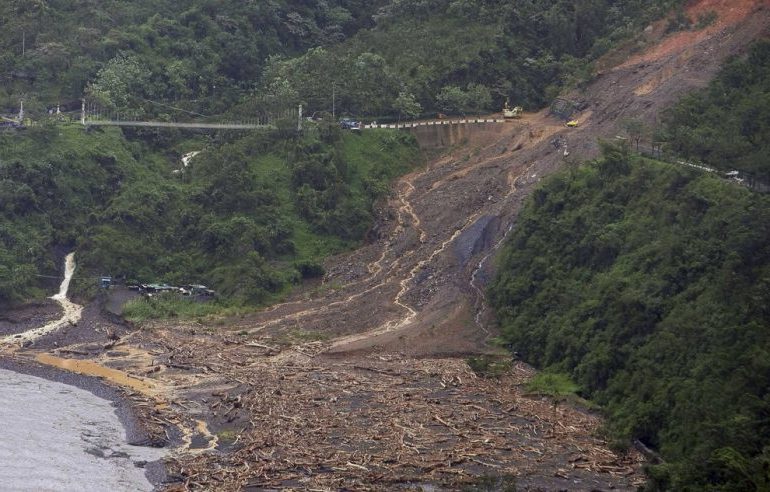
Western North Carolina has seen a record amount of rain in the last two weeks. The most recent 15 day total that I saw for Buncombe County put us at over 21 inches of rain. McDowell County is over 24 inches and poor Polk County is at nearly that amount. With this huge deluge of rain comes flooding and many landslides and our area has seen its fair share. Cooincidently, Jennifer Bauer with Appalachian Landslide Consultants was scheduled to talk at my office this week on this very topic. I’m glad I was able to see her presentation.

According to the NC Environmental Quality website, the word Landslide appears to covers debris flows, earth slides, and rock slides. Debris flows are often referred to as mudslides. These will start uphill when water from a spring or heavy rains mix with soil (usually a sandy/silt mixture) and the ground starts to slide, carrying rocks, trees and anything else that gets in its way. Earth slides differ in that it doesn’t take saturated ground to cause the slide. Cracks could open up in the soil that causes the earth to break away. Rock slides often occur during freeze/thaw cycles, wet weather, or any event that causes the earth under large rock formations to become unstable. We most often see these along roadways where the mountain has been carved out to create the road. For better descriptions, visit the NC DEQ page on Recognising Landslides and Appalachian Landslide Consultants page titled “What are Landslides“.

Many of you may remember in 2004 when Hurricane Ivan blew through, causing even greater flooding and property damage then we are seeing today. There was a community in Macon County called Peeks Creek that was wiped out, causing around $1.3 million dollars in property damage. A debris flow started several miles up the mountain and traveled about 32 miles an hour down the mountain, wiping out everything in its path. The scar can still be seen today. Within this community was a family who lived in Florida and had evacuated to their vacation home in Peeks Creek, only to lose their lives to the debris flow. Last week in Polk County, two separate debris flows converged right at the location of a home, killing the woman who lived inside. Monetary damage is nothing compared to the lives that are lost.

When we are house hunting in the mountains, we need to be aware of the ground below us and around us. There are some telltale signs to look for that your property might be susceptible.

  • Cracks in the ground may be signs of unstable ground, especially along driveways and home foundations where the land slopes away
  • Structural damage to a home such as cracks in the foundation. Not all cracks are the same and not all cracks are a sign of a failing foundation, but movement in a foundation wall is a serious red flag
  • Look at the piers that a porch is sitting on. Foundations might be on solid ground but a porch might have been installed over fill dirt. Are the footers sliding out from under the piers?
  • Look at the surroundings. Does the land slope uphill from the house? Are there any visible springs or wet patches in the earth? This could cause ground saturation and then a debris flow
  • Look for curved or bending trees in the woods. Trees want to grow straight to capture the sun. If the ground starts to slide under the tree, it might change the angle that the tree is coming out of the earth, causing it to have to bend it’s way back straight to the sky.

This isn’t an all-inclusive list. If you are considering the purchase of a home on a mountain, or you plan to build, it might be worth the time and expense to hire a company like Appalachian Landslide Consultants to come out and do a site evaluation for you. Your due diligence period allows you the opportunity to do this research so take advantage of it! Just remember, homeowners insurance does not cover damage from landslides and there is no government landslide insurance similar to flood insurance. A sobering thought, isn’t it?

Please stay safe, dry and on high (stable) ground until this crazy weather pattern blows over!
 

High End vs Vintage Homes

vintage

noun  vin·tage  \ ˈvin-tij \

1a (1) a season’s yield of grapes or wine from a vineyard

(2) wine; especially: a usually superior wine all or most of which comes from a single year

a collection of contemporaneous and similar persons or things: crop

2the act or time of harvesting grapes or making wine

3a a period of origin or manufacture such as a piano of 1845 vintage

length of existence: age

In this case, we are talking about Vintage Homes.  Why use the word Vintage?  Because old sounds old and tired as if the home is in need of work when that’s not always the case. Many of these old homes have been lovingly restored with modern features yet retain an amount of charm and character that new homes often lack. A home absorbs the feel of the families who occupied it and the older the home, the more life it has experienced. They are full of love and sadness, joy and sorrow. They have a character that you feel as well as see. It’s no secret that I LOVE Vintage homes and it is for this very reason.

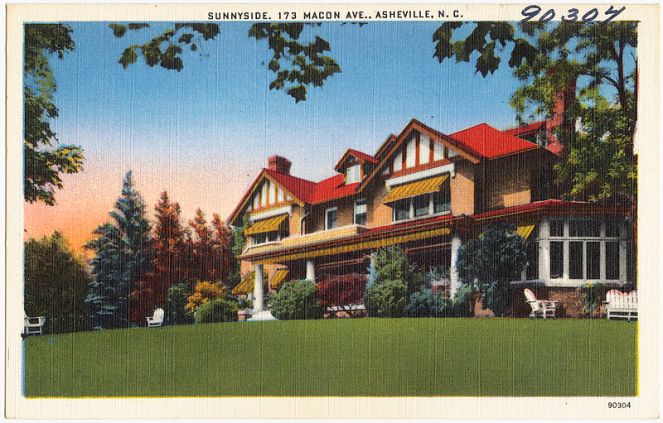
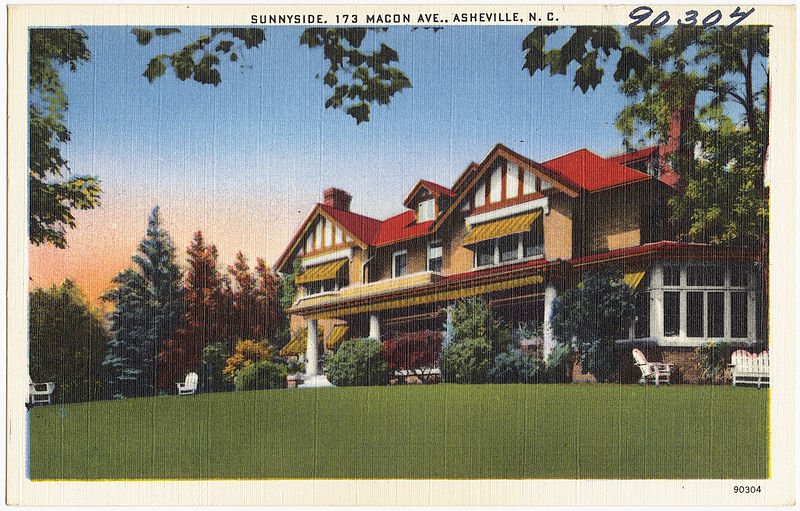
Recently I had the opportunity to view a stately mansion, circa 1916. I called my friend and fellow Realtor, Lydia to join me on this expedition. Lydia is a Buyers Agent for high-end clients but rarely sets foot in a Vintage home. I have listed a few high-end homes but my passion is Vintage. It was fun to tour this home together as our perspectives where far from overlapping.

The first thing she noticed was a slope in the kitchen floor. I bounced on it a few times, looked at the joists from below and declared there were no worries, it’s typical settling for this age. She was stunned. What do you mean this is FINE?  Agreed, in a new home it is most certainly not fine but in a 120 year old home, it’s normal and expected. I was excited that the home had air-conditioning. Lydia gave me a blank stare. Why wouldn’t it have air? Because it’s an upgrade! Even in this high end price range, not all homes have updated heating, cooling and electrical. This one has all three! The kitchen in this home is spacious which excited me. In many Vintage homes, the kitchen was an afterthought.  Lydia was concerned that her high-end buyers would bemoan the lack of granite tops and stainless steel. OK, she has a point on that one. I was unhappy that the master bath was not done in period tile. She was overjoyed that the travertine tile, rain forest shower head and large, claw foot tub for soaking gave the owners a spa-like feel. Everything else is period, can’t we give them one getaway to relax and rejuvenate? OK, I’ll give her that one too. She knows what her buyers need and if her buyers are not into the quirks and peccadilloes of Vintage, a home like this would be a poor choice. However, even if Vintage is their thing, they may still want a touch of modern.

It’s always important to work with a buyers agent who understands what you want and need in a home. By the same token, if you are selling a Vintage home it would behoove you to pick an agent that shares your passion. As we have just discussed, not all high-end real estate agents have the same perspective. Choose someone who understands you and understands your home and it will be a successful partnership every time!

Sunnyside,_173_Macon_Ave.,_Asheville,_N._C._(5756038688)

Living on the County Line

This is a cautionary tale for anyone purchasing a home that is located on the county line. I am not saying you shouldn’t do it. In fact, there are many perks that can come your way. But there is also some frustration.

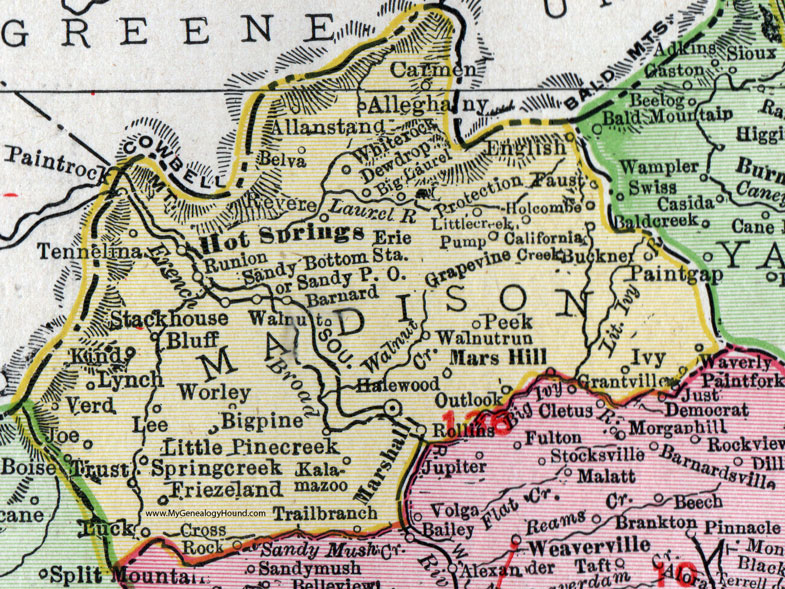
Many years ago my husband and I went looking for land to build our new home. Don wanted to be in Madison County for the lower tax rate. We both wanted to be close to Asheville. We found the perfect spot right on the county line. The property was in Madison but it was the Weaverville (Buncombe County) post office that delivered our mail. Therefore, people thought we lived in Buncombe County.

On the plus side, this gave me access to a larger library system. It also gave us slightly lower delivery rates from many local vendors. It also caused some issues.
Sometimes it’s minor stuff like discovering the lumber yard was charging me a higher tax rate because they assumed we were using the lumber in Buncombe County. I have to always remember to tell the car mechanic that we live in Madison when we have inspections done. Madison does not require emissions testing. However, you have to make sure your car registration is always recorded correctly as it affects your personal property tax rate. Speaking of taxes…….

Many years ago I refinanced my loan. I made sure the attorney knew which county the house resided in. He collected money for property taxes then sent it to Buncombe County who then returned the check (no account to credit). The check sat on the attorney’s desk for several months. I was alerted to the error when I received a notice of foreclosure by the county for unpaid taxes. Isn’t that a fun letter to receive in the mail? It got better. The same attorney recorded our deed and mortgage in Buncombe County then discovered his error a year later and recorded in Madison County. However, the lender didn’t know about the correction (neither did I) so when that lender sold the note, then that lender sold the note, then that lender sold the note… all transfers were recorded in Buncombe County. This created a clear chain of title in the wrong county and NO chain of title in the correct county. This is a BIG problem that will hold up the sale of your property if not corrected. I did get this issue cleared up but not without a lot of aggravation over the course of several months. As my husband kept pointing out – thank goodness I am a real estate agent and understand what happened and how to fix it.

I still love my home and think it’s in the perfect location. We do plan to eventually sell and when we do, you better believe I will have a long talk with the closing attorney!
One item that doesn’t affect me but has affected a community near me is schools. The Seven Glenn’s Community has the county line running right through it. If you live in Buncombe County, your kids go to North Buncombe Schools. If you live in Madison County, your kids go to those schools. If the school district is important, make sure you make some calls and find out where your kids will go. For my own home (I actually asked!) kids would go to Madison County Schools. The Buncombe County bus actually turns around in my driveway but I would have to pay tuition if I wanted my (hypothetical) child in that school. Crazy.

Should you buy a home on the County Line? Sure! Just pay attention and you will be fine!

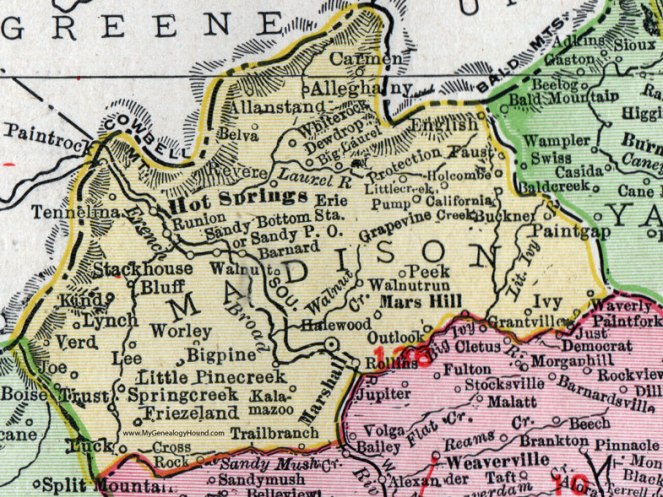
NC-Madison-County-North-Carolina-1911-Map-Rand-McNally